
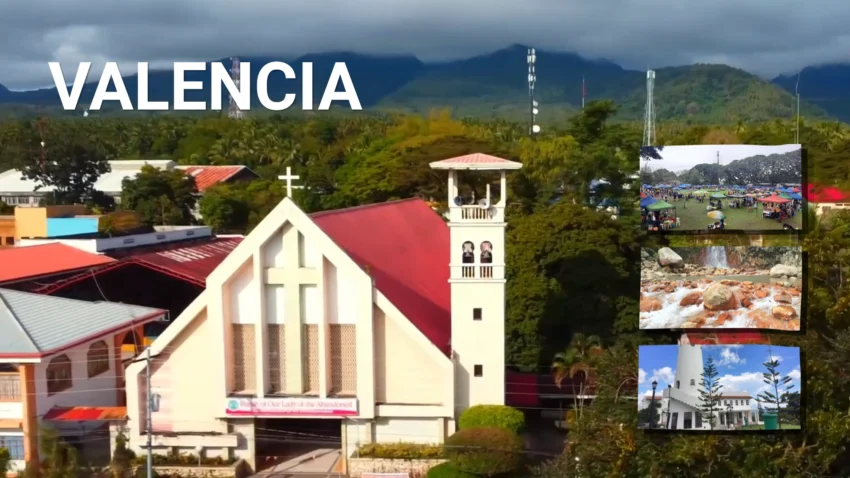
Valencia is where the roads climb, the air turns cooler, and the sound of Dumaguete traffic gives way to rivers, waterfalls, and mountain forests.
The municipality is only a short ride from Dumaguete City, but it feels like a different part of Negros Oriental. Casaroro Falls drops through a narrow forested gorge. Pulangbato Falls flows over rust-colored rock. Natural geothermal water fills the pools at Red Rock Hot Spring. Forest Camp offers cold spring water beneath thick tropical trees.
You can visit Valencia as a quick day trip from Dumaguete. You can also stay overnight, wake up to cooler mountain air, and explore without trying to squeeze four attractions into one afternoon.
The easy access is part of Valencia’s appeal. You do not need a ferry, a long provincial bus ride, or an expensive flight connection once you reach Dumaguete. Within 30 minutes, you can be heading into the highlands.
But Valencia is not effortless.
Its attractions are spread across different barangays. Casaroro Falls requires hundreds of steps and a demanding walk through a rocky river gorge. The road to the Filipino-American-Japanese Amity Shrine can be difficult. Mount Talinis requires permits, registration, an accredited guide, and proper preparation.
Valencia rewards travelers who choose the right activities for their fitness level and give the mountains enough time.
Understand Valencia
Valencia is a landlocked, first-class municipality west of Dumaguete City. Much of the municipality rises into the foothills and highlands surrounding Mount Talinis and the Cuernos de Negros volcanic complex.
The town center is only around 8 to 10 kilometers from central Dumaguete. Higher attractions require more travel time because the roads climb through rural barangays, geothermal areas, farms, forests, and mountain communities.
Valencia is often promoted as the Summer Capital of Negros Oriental. The nickname fits its higher elevation, greener surroundings, cool spring water, and more comfortable temperatures in the upland barangays.
The municipality is best known for:
- Casaroro Falls
- Pulangbato Falls
- Red Rock Hot Spring
- Forest Camp Mountain Resort
- Palinpinon sulfur vents
- Mount Talinis
- Cata-al World War II Museum
- The Spanish Fountain
- Filipino-American-Japanese Amity Shrine
- Mountain roads and countryside scenery
Best for: waterfall lovers, hikers, couples, families, road trippers, photographers, history travelers, backpackers, hot-spring visitors, and anyone staying in Dumaguete.
Skip it if: you want beaches, nightlife, malls, flat walking routes, or attractions that can all be reached by regular public transportation.
Best Time to Visit Valencia
The best time to visit Valencia is generally from January to May, when conditions are more favorable for waterfalls, mountain roads, hiking, hot springs, and outdoor sightseeing.
The nearest long-term PAGASA weather station is in Dumaguete. Its 1991 to 2020 climate data shows that April has the lowest average monthly rainfall, followed by March and February. October has the highest average rainfall.
Valencia’s upland location can be cooler, wetter, and more changeable than coastal Dumaguete. A clear morning in the city does not guarantee dry conditions around Casaroro Falls or Mount Talinis.
January to February
These months are good for cooler countryside drives, spring resorts, town walks, and physically demanding attractions.
Rain remains possible, especially in the mountains. Bring a light rain jacket and protect electronics inside a waterproof bag.
March to May
March and April are usually the best months for waterfall visits, hiking, outdoor swimming, and countryside tours.
The lower parts of Negros Oriental can feel hot, but the water and shade in Valencia make the heat more manageable. Visit Casaroro early because the climb back becomes harder as the day warms.
June to November
Valencia remains green and scenic during the wetter months, but mountain trips require more caution.
Heavy rain can increase river flow, make steps slippery, reduce visibility, and cause temporary closures. Casaroro Falls becomes especially risky during or immediately after heavy rain because the route follows a rocky gorge.
Do not pressure a driver or guide to continue when local authorities advise against entering an attraction.
Weekends and Holidays
Pulangbato Falls, Red Rock Hot Spring, and Forest Camp are popular with local families. Expect larger crowds on Sundays, holidays, school breaks, and long weekends.
Visit on a weekday when you want quieter pools, easier parking, and fewer large groups.
Valencia Traveler Essential Information
Province: Negros Oriental
Region: Negros Island Region
Municipality type: First-class municipality
Nearest major gateway: Dumaguete City
Nearest airport: Dumaguete Airport in Sibulan
Distance from Dumaguete: approximately 8 to 10 kilometers to the town center
Travel time from Dumaguete: around 20 to 45 minutes to the town center, depending on traffic and transport
Travel time to upland attractions: around 30 minutes to more than one hour from Dumaguete
Main language: Cebuano
Other widely understood languages: Filipino and English
Currency: Philippine Peso
Ideal stay: one full day for the main attractions
Better stay: two days and one night for a slower trip
Best trip style: countryside tour, waterfall trip, hot-spring visit, hiking holiday, nature retreat, or Dumaguete side trip
Bring cash. Small restaurants, motorcycle drivers, guides, entrance booths, parking areas, and countryside businesses may not accept cards.
Mobile reception can weaken in mountain areas. Save maps, hotel addresses, and contact numbers before leaving Dumaguete or the Valencia town center.
How to Get to Valencia
Dumaguete is the main gateway to Valencia. Most travelers reach Dumaguete first and continue by jeepney, motorcycle, tricycle, rental vehicle, or organized tour.
Manila to Valencia
Fly from Manila to Dumaguete Airport in Sibulan.
From the airport, you can travel to Dumaguete before taking a jeepney to Valencia. A private airport transfer can also take you directly to your accommodation or chosen attraction.
Flight time from Manila to Dumaguete is usually around 1 hour and 30 minutes.
Best for: weekend visitors, families, couples, and travelers with limited time
Tip: Do not enter “Valencia” into a booking app without checking the province. Search for Valencia, Negros Oriental, not Valencia City in Bukidnon or Valencia in Spain.
Cebu to Valencia
Travel from Cebu to Dumaguete by flight, bus and ferry, or passenger vessel. Continue from Dumaguete to Valencia by jeepney or private transport.
The overland bus and ferry route through southern Cebu commonly takes around five to six hours, although traffic, loading times, and ferry conditions can extend the journey.
Best for: backpackers, students, and travelers combining Cebu with Negros Oriental
Tip: Stay overnight in Dumaguete or Valencia when arriving late. Public transportation to the upland barangays becomes harder to arrange after dark.
Dumaguete to Valencia by Jeepney
Jeepneys connect central Dumaguete with Valencia town proper.
The loading location can change, so ask your hotel, a tricycle driver, or a local resident for the current Dumaguete-Valencia terminal. Services commonly load in central Dumaguete and leave once enough passengers have boarded.
Travel time: around 30 to 45 minutes
Typical fare: around ₱15 to ₱25 per person
Best for: backpackers and budget travelers
Tip: The jeepney takes you to the town area. It does not provide direct access to most waterfalls and mountain attractions.
Dumaguete to Valencia by Habal-Habal
A motorcycle taxi is one of the most flexible ways to reach upland attractions.
You can travel from Dumaguete directly or take a jeepney to Valencia and hire a motorcycle driver there.
Short trips to nearby attractions may cost around ₱200 to ₱300. A full-day charter covering several stops may cost approximately ₱1,000 to ₱1,200, depending on the route, waiting time, fuel, and negotiation.
Best for: solo travelers and experienced motorcycle passengers
Tip: Agree on the complete itinerary and total price before leaving. Confirm whether entrance fees, parking, meals, and waiting time are included.
Dumaguete to Valencia by Private Car
Driving is the easiest option for families and small groups.
A private car gives you more control over departure times and makes it easier to carry swimming clothes, food, footwear, and dry bags.
Travel time to the town center: around 20 to 30 minutes
Best for: families, couples, groups, older travelers, and road trippers
Tip: Some mountain roads are narrow, steep, wet, or rough. Do not take an unsuitable vehicle to the Amity Shrine or an unfamiliar trailhead.
Dumaguete to Valencia by Organized Tour
Shared and private countryside tours commonly combine Pulangbato Falls, Red Rock Hot Spring, Forest Camp, and other stops.
This is the simplest choice when you do not want to negotiate with several drivers or study mountain routes.
Best for: first-time visitors, families, cruise passengers, and small groups
Tip: Ask whether Casaroro Falls is included. Some relaxed countryside tours exclude it because the hike requires more time and physical effort than the other stops.
How to Get Around Valencia
Valencia’s attractions are not concentrated around one plaza. A vehicle is necessary once you leave the town center.
Habal-Habal
Motorcycles are practical for narrow roads, solo travelers, and attractions that do not require much luggage.
Choose a driver recommended by your accommodation or the Valencia Tourism Office. Wear a helmet and avoid traveling through unfamiliar mountain roads in heavy rain or darkness.
Chartered Tricycle
A tricycle can work for the town center and some lower attractions.
It may be less suitable for steep, rough, or distant mountain roads. Ask the driver whether the vehicle can safely complete the entire route.
Private Car or Van
A private vehicle is the best option for families, larger groups, older travelers, and anyone combining several attractions.
Parking is available at the main resorts, although spaces can fill during weekends and holidays.
Walking
The town plaza, Spanish Fountain, market, municipal buildings, church, and nearby businesses can be explored on foot.
Walking between the major natural attractions is not practical. Distances are longer than they appear, roads are steep, and some routes have little shade.
Where to Stay in Valencia
Many travelers stay in Dumaguete and visit Valencia for the day. Staying in Valencia is better when you want cooler evenings, early access to mountain attractions, a quieter setting, or a private countryside retreat.
Rates vary considerably by season, room type, group size, and booking platform. Simple rooms and apartments may start around ₱1,500 to ₱3,000 per night. Larger homes, private resorts, and nature properties can cost ₱3,000 to ₱7,000 or more.
Nature Resorts
Forest Camp
Best for families, groups, nature stays, cold spring pools, picnics, and travelers who want to sleep close to the forest.
Forest Camp has natural swimming areas, cottages, bridges, trees, picnic spaces, food service, and overnight accommodation.
The atmosphere is busiest during weekends and holidays.
Booking tip: Ask whether your room includes entrance to the swimming areas and whether outside food has a corkage fee.
Pulangbato Falls Mountain Resort
Best for travelers who want to stay beside one of Valencia’s best-known waterfalls.
The resort provides direct access to Pulangbato Falls and has pools, cottages, food service, and overnight accommodation.
Booking tip: Confirm whether the waterfall and pools are open during your dates, especially after heavy rain.
Private Resorts and Holiday Homes
A’s Place
Best for couples, families, and small groups who want a private setting and their own facilities.
The property has received strong reviews on major booking platforms, but rates vary according to occupancy and travel dates.
Valencia Cozy Suites
Best for longer stays, couples, and travelers who prefer an apartment-style setup.
This is a practical choice when you want more independence than a traditional resort provides.
Maya Homes Valencia
Best for families, longer visits, and travelers who need a residential-style accommodation.
Its location is more practical for road trips than for travelers relying entirely on public transportation.
Bed and Breakfasts and Small Stays
Belfort House B&B
Best for travelers who prefer a quiet bed-and-breakfast atmosphere, breakfast service, garden surroundings, and personal hospitality.
It has received high guest scores on Booking.com, particularly for cleanliness, staff, and value.
Yuke’s Bed & Breakfast
Best for families and groups who want larger rooms, breakfast, parking, and a residential setting.
Booking tip: Check transportation before reserving because the property is away from the main tourist cluster.
Unica Hija Hometel by TahZora
Best for budget-conscious travelers and short stays near the municipality’s central area.
Quick Accommodation Picks
For nature: Forest Camp
For waterfall access: Pulangbato Falls Mountain Resort
For a highly rated bed and breakfast: Belfort House B&B
For families: Yuke’s Bed & Breakfast or Maya Homes Valencia
For privacy: A’s Place
For apartment-style accommodation: Valencia Cozy Suites
Booking Tip
Do not choose a property based only on the word “Valencia” in the listing.
Check its location on a map, read the full address, and confirm that it is in Valencia, Negros Oriental. Some booking websites group Valencia properties under Dumaguete because it is the nearest major city.
Where to Eat in Valencia
Valencia’s food scene is smaller and more spread out than Dumaguete’s. You will find local restaurants in the town center, cafés along the main roads, and food service inside mountain resorts.
Opening hours can change, particularly on weekdays. Check the restaurant’s current social page or map listing before traveling far for one meal.
Spicy Food House
Best for Filipino, Indian, Thai, and other Asian dishes.
The restaurant is frequently mentioned by Valencia residents and travelers looking for curries, rice meals, and something different from standard resort food.
Dining tip: Ask about the spice level before ordering.
Coffee Groove Cafe
Best for coffee, sandwiches, pasta, soup, pastries, and a quiet break between activities.
This is a useful stop when you want a café meal rather than a large Filipino lunch.
FREAK Coffee
Best for coffee lovers and travelers looking for a modern café stop in Valencia.
Check its current opening days before building your itinerary around it.
Neva’s Pizza Valencia
Best for pizza, casual group meals, and families.
It is a practical option after a long day of waterfalls when everyone wants familiar comfort food.
Veranda Resto Bar
Best for affordable Filipino food, casual meals, outdoor seating, and mixed groups.
The menu has included local, Asian, Mexican-inspired, and Western choices.
Forest Camp Restaurant
Best for travelers already spending several hours at Forest Camp.
The restaurant is known for Filipino comfort food and meals suited to families and groups. Eating on-site also saves you from leaving the resort during your swimming day.
Pulangbato Falls Mountain Resort Restaurant
Best for lunch during a Pulangbato and Red Rock itinerary.
Food availability can depend on visitor volume and resort operations, so groups may want to order early.
Valencia Public Market and Local Carinderias
Best for rice meals, grilled food, snacks, breakfast, and lower prices.
Local eateries around the town center are useful before heading into the mountains, where food choices become limited.
Quick Food Picks
For curries and Asian food: Spicy Food House
For coffee and pastries: Coffee Groove Cafe or FREAK Coffee
For families: Neva’s Pizza Valencia
For Filipino food: Veranda Resto Bar
For a resort meal: Forest Camp or Pulangbato Falls Mountain Resort
For a budget meal: Valencia Public Market and nearby carinderias
Dining Tip
Eat before visiting Casaroro Falls.
The hike requires more energy than a normal sightseeing stop, and food choices near the trail are limited. Carry water and a light snack, but take all waste back with you.
Things to Do in Valencia
1. Hike to Casaroro Falls
Casaroro Falls is Valencia’s most adventurous mainstream attraction.
The waterfall drops through a narrow opening between steep, forested rock walls. Reaching it requires descending more than 300 concrete steps, following a rocky river, crossing wet sections, and navigating uneven boulders.
The walk down is demanding. The climb back is harder.
Recent visitor information places the basic entrance and environmental fee at around ₱30, with guide services costing extra. Rates can change, so bring small bills and verify the current amount on arrival.
Best for: fit travelers, hikers, photographers, couples, and adventure seekers
Avoid it if: you have knee problems, limited mobility, poor balance, serious heart or respiratory conditions, or unsuitable footwear
Tip: Wear hiking shoes or sandals with strong grip. Do not attempt the gorge during heavy rain.
2. Swim at Pulangbato Falls
Pulangbato means “red rock,” a name inspired by the mineral-colored rocks around the falls and stream.
The waterfall is inside a developed mountain resort with pools, cottages, pathways, and visitor facilities. It is easier to reach than Casaroro and better suited to families.
The resort’s published admission is ₱100 for adults, ₱50 for children aged 10 and below, and free for children aged two and below. Confirm current rates before traveling.
Best for: families, couples, swimmers, photographers, and relaxed day trips
Tip: The rocks can remain slippery even when the weather is clear.
3. Relax at Red Rock Hot Spring
Red Rock Hot Spring is one of Valencia’s most popular places to rest after visiting Pulangbato Falls.
Natural geothermal water feeds the bathing pools. The water is warm rather than painfully hot, making it comfortable for a longer soak.
Published entrance rates are ₱100 for adults and ₱50 for children aged 10 and below. Senior citizens and persons with disabilities are entitled to the applicable discount.
Best for: couples, families, older travelers, and anyone who wants a slower afternoon
Tip: Visit Pulangbato first and finish at Red Rock. The warm water feels better after walking and swimming.
4. Spend the Day at Forest Camp
Forest Camp combines a cold-spring swimming experience with the atmosphere of a mountain resort.
Trees shade the pools and picnic areas. Bridges and pathways cross the property, while cottages, food service, camping areas, and overnight rooms support longer visits.
The spring water can feel surprisingly cold, especially in the morning.
Best for: families, groups, picnics, reunions, and travelers who prefer developed facilities
Tip: Check the latest Forest Camp entrance fees because weekday, weekend, cottage, and overnight rates may differ.
5. See the Palinpinon Sulfur Vents
Steam and sulfurous gas rise from the geothermal landscape along the mountain roads around Palinpinon and nearby barangays.
The vents are part of the active geothermal system beneath Valencia. They help explain why the municipality has hot springs and why geothermal power production has become part of the local landscape.
The roadside view is interesting, but it is not a playground.
Best for: short photo stops, geology, and first-time visitors
Tip: Stay within safe roadside areas. Do not climb barriers, walk toward active vents, or stop where your vehicle blocks traffic.
6. Visit the Cata-al World War II Museum
The Cata-al World War II Museum is a private collection of military artifacts recovered from Valencia and the surrounding mountains.
The collection includes weapons, ammunition, uniforms, currency, personal items, and other materials connected with the fighting in Negros during World War II.
What makes the museum memorable is its local perspective. Many items are tied to the nearby mountains rather than being displayed as anonymous objects from a distant battlefield.
Published visitor listings indicate opening hours from Monday to Saturday, approximately 8:00 AM to 5:30 PM. Because it is privately managed, contact the museum or the tourism office before visiting.
Best for: history travelers, students, families, and museum visitors
Tip: Prepare a donation and allow time to listen to the stories behind the collection.
7. See the Spanish Fountain and Town Plaza
The Spanish Fountain stands near the heart of Valencia and reflects the municipality’s colonial history.
The sunken fountain was connected with an old water system that brought spring water into the community. It is a quieter attraction than the waterfalls, but it gives the town center a sense of place.
Best for: heritage walks, short stops, and travelers waiting for transportation
Tip: Combine it with the plaza, church, public market, and Cata-al Museum.
8. Visit the Filipino-American-Japanese Amity Shrine
The three-sided Amity Shrine represents the Philippines, the United States, and Japan.
It stands in the highlands near an area associated with heavy fighting during World War II. The memorial looks toward peace and reconciliation rather than presenting the site only as a battlefield.
The road can be steep and rough. A standard low-clearance vehicle or city tricycle may not be appropriate.
Best for: history, mountain views, photography, and travelers with suitable transport
Tip: Arrange a motorcycle, four-wheel-drive vehicle, ATV, or knowledgeable local driver. Do not attempt the road after heavy rain without current advice.
9. Climb Mount Talinis
Mount Talinis is not a casual extension of a waterfall tour.
The mountain rises within the Cuernos de Negros volcanic complex and includes forest trails, steep climbs, muddy sections, volcanic features, lakes, and rapidly changing weather.
Valencia introduced tighter climbing rules requiring hikers to register, secure permits, and use authorized local guides. The trails reopened on March 1, 2026, but access remains subject to municipal safety regulations and weather conditions.
Best for: experienced hikers, organized groups, and properly equipped climbers
Not suitable for: unprepared beginners, casual tourists, or travelers without permits and guides
Tip: Arrange Mount Talinis permits through the Valencia Tourism Office before your trip. Never arrive at the trailhead expecting to climb without registration.
10. Take a Slow Highland Drive
Not every good stop in Valencia has a ticket booth.
The roads pass vegetable plots, flowering plants, small communities, forest edges, viewpoints, geothermal landscapes, and glimpses of the mountains above Dumaguete.
Renting a vehicle or hiring a local driver gives you the freedom to stop without turning the day into a race between attractions.
Best for: couples, photographers, road trippers, and slow travelers
Tip: Return before dark unless your driver knows the roads well.
Valencia Tourist Spot Map
Pin these places before leaving Dumaguete:
- Valencia Public Plaza
- Valencia Municipal Hall
- Spanish Fountain
- Valencia Public Market
- Cata-al World War II Museum
- Casaroro Falls
- Forest Camp
- Pulangbato Falls Mountain Resort
- Red Rock Hot Spring
- Palinpinon sulfur vents
- Filipino-American-Japanese Amity Shrine
- Mount Talinis trail access area
- Belfort House B&B
- Valencia Cozy Suites
- Dumaguete-Valencia jeepney terminal
- Dumaguete Airport
- Dumaguete City center
Valencia Map
Mount Talinis Itinerary
Mount Talinis normally requires a dedicated trek rather than an ordinary day tour.
The exact route, number of days, campsite, guide ratio, registration process, and equipment requirements depend on the trail and current municipal regulations.
Contact the Valencia Tourism Office before reserving flights or accommodation. Do not copy an old trekking itinerary without checking 2026 permit rules and trail conditions.
Valencia Travel Budget
The estimates below exclude flights or ferries to Dumaguete.
Budget Day Trip
Dumaguete-Valencia jeepney: ₱30 to ₱50 round trip
Motorcycle charter: ₱800 to ₱1,200
Entrance fees: ₱200 to ₱500
Food and drinks: ₱300 to ₱600
Guide and other fees: ₱200 to ₱500
Estimated total: ₱1,500 to ₱2,800 per person
Solo travelers usually spend more because they cannot divide the motorcycle or guide cost.
Comfortable Day Trip
Private car or shared tour: ₱1,500 to ₱4,000 per person, depending on group size
Entrance fees: ₱300 to ₱600
Food and drinks: ₱600 to ₱1,200
Guide and extras: ₱300 to ₱800
Estimated total: ₱3,000 to ₱6,000 per person
Overnight Trip
Accommodation: ₱1,500 to ₱4,500 per night
Food: ₱700 to ₱1,500 per day
Local transportation: ₱1,000 to ₱3,000
Activities and entrance fees: ₱400 to ₱1,000
Estimated total for two days: ₱4,500 to ₱10,000 per person
Mount Talinis Budget
A Mount Talinis trip has separate expenses for permits, registered guides, porters, transportation, meals, equipment, and possible campsite fees.
Costs depend on group size and route. Request the current official fee breakdown rather than relying on an old blog post.
Budget Notes
Casaroro guide fees are separate from the basic entrance fee.
Forest Camp may charge different weekday and weekend rates.
Cottages and tables are normally separate from admission.
Private transport becomes more affordable when divided among a group.
Bring small bills for entrances, parking, food, and local drivers.
Nearby Side Trips From Valencia
Dumaguete City
Dumaguete is the main transport, dining, accommodation, and cultural base for Valencia.
Spend a day visiting Silliman University, Rizal Boulevard, the public market, National Museum Dumaguete, the cathedral, and the belfry.
Bacong
Bacong lies southeast of Valencia and can be reached through roads connecting the two municipalities.
It is a useful addition for heritage sites, local communities, and travelers continuing south.
Dauin
Dauin is best for diving, marine sanctuaries, coastal resorts, and access to Apo Island.
A Valencia and Dauin combination gives you mountains on one day and the sea on the next.
Apo Island
Apo Island is one of Negros Oriental’s most important snorkeling and diving destinations.
Arrange a full day rather than trying to visit after a waterfall tour.
Balinsasayao Twin Lakes
The Twin Lakes are normally reached through Sibulan.
The protected forest, mountain lakes, paddling, and birdlife make them a quieter alternative to Valencia’s waterfall resorts.
Siquijor
Return to Dumaguete and take a ferry to Siquijor for beaches, waterfalls, heritage sites, and a longer island trip.
Stay overnight instead of trying to force Siquijor into a few hours.
Is Valencia Worth Visiting?
Yes, Valencia is worth visiting, especially when you are already staying in Dumaguete.
Few destinations in Negros Oriental offer this much variety within such a short distance of the provincial capital. You can hike through a waterfall gorge, swim beneath rust-colored rock, soak in geothermal water, visit a local war museum, and eat dinner in Dumaguete on the same day.
The municipality also works for different travel styles.
Casaroro challenges active travelers. Pulangbato and Forest Camp suit families. Red Rock offers a slower afternoon. The Cata-al Museum and Amity Shrine add history. Mount Talinis gives experienced hikers a serious mountain objective.
Valencia becomes disappointing only when travelers treat it like a quick checklist.
Choose two or three attractions that fit your group. Start early. Allow time for rain, steep roads, swimming, and rest.
Final Valencia Travel Tips
- Leave Dumaguete early, especially when visiting Casaroro Falls.
- Do not hike into Casaroro during heavy rain.
- Wear footwear with proper grip.
- Carry water and a dry bag.
- Bring a change of clothes.
- Use waterproof protection for phones and cameras.
- Agree on motorcycle and tricycle prices before leaving.
- Ask whether quoted transport covers the whole vehicle or each passenger.
- Do not approach active sulfur vents.
- Choose Pulangbato, Red Rock, and Forest Camp for an easier family trip.
- Skip Casaroro if anyone has limited mobility or serious knee problems.
- Register and secure permits before climbing Mount Talinis.
- Use only authorized mountain guides.
- Keep cash for entrances, guides, food, and parking.
- Check attraction pages on the morning of your trip.
- Do not overload a one-day itinerary.
Frequently Asked Questions
How far is Valencia from Dumaguete?
Valencia town proper is around 8 to 10 kilometers west of Dumaguete. The drive usually takes 20 to 45 minutes, while the mountain attractions require additional travel time.
Can Valencia be visited as a day trip from Dumaguete?
Yes. Valencia is one of the easiest day trips from Dumaguete. A full day is enough for two or three attractions, but trying to visit every waterfall and resort will feel rushed.
Do you need a guide for Casaroro Falls?
A local guide is strongly recommended because the route includes steep stairs, wet rocks, river sections, and changing conditions. Guide requirements may depend on current municipal rules.
Is Casaroro Falls suitable for senior citizens?
Casaroro is generally not suitable for senior citizens with limited mobility, knee problems, poor balance, or heart conditions. The route requires more than 300 steps and a rocky gorge walk.
How much is the entrance fee at Pulangbato Falls?
The resort currently publishes admission of ₱100 for adults, ₱50 for children aged 10 and below, and free entrance for children aged two and below. Confirm the rate before visiting.
How much is the entrance fee at Red Rock Hot Spring?
The published entrance fee is ₱100 for adults and ₱50 for children aged 10 and below. Senior citizens and persons with disabilities receive the applicable discount.
Do you need a permit to climb Mount Talinis?
Yes. Hikers using the Valencia routes must register, secure the required permit, and use an authorized local guide. Contact the tourism office before traveling because trail access can change with weather and safety conditions.
Sources Used
- Department of Tourism: Negros Oriental
- Valencia Negros Oriental Tourism Office
- Municipality of Valencia, Negros Oriental
- Philippine Statistics Authority: Province of Negros Oriental
- PAGASA: Dumaguete Climatological Normals, 1991 to 2020
- Philippine News Agency: Valencia Tightens Mount Talinis Regulations
- Pulangbato Falls Mountain Resort
- Red Rock Hot Spring
- Forest Camp Valencia
- DumagueteInfo: Cata-al World War II Museum
- Dumaguete.com: Filipino-American-Japanese Amity Shrine
- The Queen’s Escape: Valencia Negros Oriental Travel Guide