
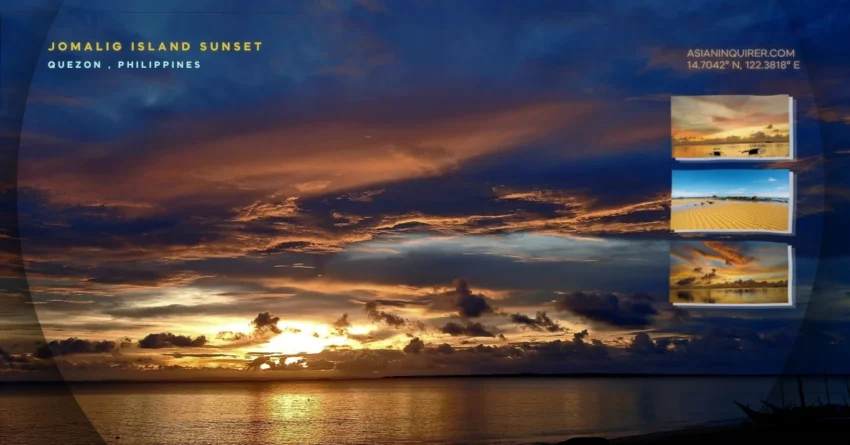
The Pacific Ocean hides many secrets behind its crashing waves.
To find the golden shores of Jomalig, you must first survive the long and unpredictable crossing from the port of Real. It is a journey that separates the casual vacationer from the true island explorer.
The journey to this remote coordinate starts in the early hours at the pier where the trailer trucks and passenger queues meet.
Most travelers arrive by midnight to secure their spot in the long line for the passenger boats made of wood. You should aim to be at the pier by four in the morning to ensure you catch the first trip out. The boat ride itself is an endurance test that lasts roughly five hours across the deep open sea.
You will witness the silhouettes of Polilio and Patnanungan islands passing by as the hull hits the rhythmic Pacific swells. These vessels are engineered to handle the shifting currents of the eastern coast even when the wind begins to roar.
The sight of the white sand on the horizon is the ultimate signal that your patience has finally paid off.
How do I get to Jomalig Island from mainland Luzon?
The port of Real serves as the primary gateway for those coming from Metro Manila and the surrounding provinces.
You can take a bus to Real and arrive at the harbor just in time to see the sunrise over the water. The fare for the boat crossing is relatively affordable, but you must prepare for the physical toll of the moving sea.
A unique feature of the Jomalig harbor is the “ditch” they carved into the seabed for safer landings.
This technical troubleshoot allows boats to dock even when the tide is low without waiting for the water level to rise. It ensures that the vital supply chain from the mainland remains uninterrupted throughout the seasons. Travelers often feel a sense of relief when the keel finally enters this calm passage.
A pleasant staff from the local tourism office greets arrivals with the warm hospitality that the island is known for. She can help you navigate the registration process and explain the local ordinances that protect the environment.
The island also features a small concrete airstrip that occasionally welcomes private planes from Bulacan. This is a primary coordinate for landowners and high-end travelers who prefer to skip the long hours on the water.
What makes Salibungot Beach special?
Salibungot Beach is the crown jewel of the island and is famous for its unique golden-brown sand.
The texture of the ground is fluffy and soft because it is mixed with tiny pieces of seashells and weathered corals.
This is the primary spot where people gather to watch the sun dip below the horizon during the quiet afternoon. The golden hour here transforms the entire landscape into a warm, glowing paradise that feels like a painting.
Most of the local resorts are just a short motorcycle ride away from this specific coordinate on the map. You can walk along the high sand embankment where the ground rises much higher than the sea level. This is where the true beauty of the island reveals itself to those who wait for the light to change.
Kanaway Beach offers a different kind of magic that depends entirely on the movement of the moon.
Can you see the sand ripples and Turtle Rock at Kanaway?
During a full moon, the receding water leaves behind spectacular sand ripples that look like a desert in the ocean.
You can pay a small fee to take a boat to the nearby Kanaway Islet where the starfish congregate. The Turtle Rock formation stands nearby as a stone sentinel facing the vastness of the Pacific tides.
These limestone structures were sculpted by strong storms and the relentless power of the waves over many centuries.
They look strikingly similar to the rock formations found in the lagoons of Palawan or El Nido. Seeing these natural stone swords up close is a humbling experience for any nature lover in the Philippines.
If you crave high-altitude views and jagged cliffs, you must follow the road toward Lingayen Cove.
Why visit Lingayen Cove (Little Batanes)?
This area features massive rock formations positioned next to each other to create a dramatic cave.
The green hills above the cove give it a distinct look that reminds many travelers of the northern landscapes of Batanes. It is a place where the wind is strong and the air feels remarkably fresh in your lungs. The climb to the top of the rocks rewards you with a 360-degree view of the turquoise water.
You will see local children leaping from the rocks into the deep blue during the high tide hours.
It is a scenic coordinate that demands a lot of storage space in your camera for the memories.
How is the infrastructure and daily life in Jomalig?
Life on the island is a blend of quiet tradition and steady modern progress that you can feel in every barangay.
There are ten barangays on the island, including three in the Poblacion area named Ward 1, Ward 2, and Ward 3. This naming convention is a relic from the 1940s when American influences shaped the local administrative districts.
Electricity is now available 24 hours a day thanks to the efforts of the local power cooperative.
The island relies on deep wells for 70% of its water needs, though refilling stations provide pure drinking water for guests. Signal for major networks like Smart and Globe is strong due to the large tower in the town center.
The Begwangan marsh is a hundred-hectare swamp that serves as a vital nursery for mangroves and local birds. It is a peaceful zone where the only sound you hear is the breeze through the leaves.
You can explore the area via small boats to see the gnarled roots of the ancient Piyapi trees.
Interestingly, Jomalig is actually closer to Camarines Norte than it is to the mainland of Quezon.
A boat ride to Capalonga or Panganiban takes only three hours compared to the five-hour trek to Real. Despite this geographical proximity, the island remains under the proud jurisdiction of the Quezon province.
Practical Travel Tips for DIY Travelers
- Boat Schedule: Boats from Real usually leave between 5:00 AM and 10:00 AM. Arrive by 4:00 AM to secure a seat.
- Logistics: Bring enough cash. There are no ATMs in the remote barangays, and digital payments are rare outside of major resorts.
- Transportation: The best way to see the island is by hiring a habal-habal (motorcycle taxi). A full-day tour typically costs around Php 600 to Php 800.
- Food: Try the local “Wakay” (sweet potato) chips and fresh seafood at the Talisoy market.
- Registration: Log in at the Jomalig Tourism Office upon arrival. The environmental fee is approximately Php 170.
- Best Time to Visit: March to May offers the calmest seas. The Pacific can be very rough during the monsoon months.
- Packing: Bring a heavy-duty power bank and a waterproof dry bag for the boat ride.
The journey continues long after you leave the shore.
I hope you find the peace you are looking for in the hidden paradises of Quezon. The horizon is open and the golden sand is waiting for your footprints.
Frequently Asked Questions (FAQ)
1. Is Jomalig Island safe for solo travelers?
Yes, it is very safe and the locals are known for being extremely helpful and welcoming to visitors.
2. How long is the boat ride from Real, Quezon?
The trip typically takes between 4 to 6 hours depending on the sea conditions and the type of boat.
3. Is there internet on Jomalig Island?
Yes, there is a decent mobile signal for Globe and Smart in the town center, and many resorts now offer Starlink WiFi.
4. Can I bring my own car to Jomalig?
No, only motorcycles can be brought via small boats. There are no RORO vessels for large cars at this time.
5. What is the “Puno ng Walang Forever”?
It is a famous old Piyapi tree located in a marshland that has become a popular spot for photography.
6. Are there crocodiles in the Begwangan Marsh?
Locals say there were sightings in the past, but there have been no recent encounters, and it is generally considered safe for guided boat tours.
7. How much is the entrance fee to Kanaway Beach?
There is a small entry fee of Php 50 to Php 100 which often includes access to the nearby islets.
8. Is there a hospital on the island?
There is a municipal health center for basic needs, but for major emergencies, patients must be transported to the mainland.
9. What is “Little Batanes”?
This is the nickname for Lingayen Cove due to its rolling green hills and dramatic seaside cliffs.
10. Do I need to book my boat ticket in advance?
It is highly recommended to coordinate with your resort or a local boatman, especially during the peak summer season.