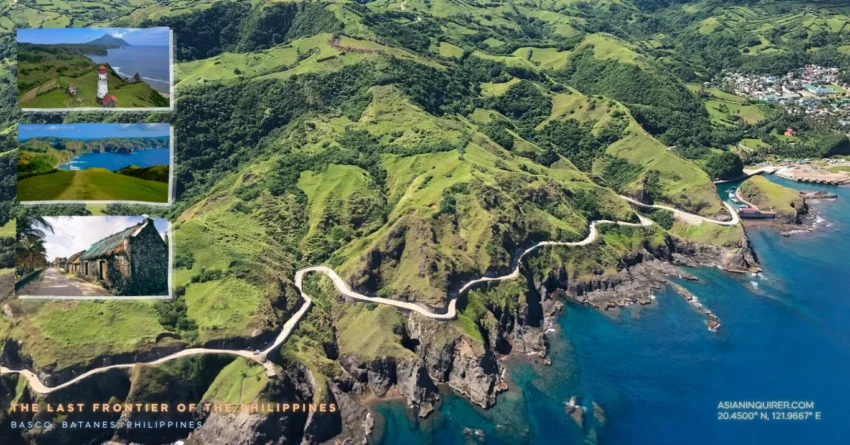
Batanes is often called the last frontier of the Philippines because it sits at the very edge of the map.
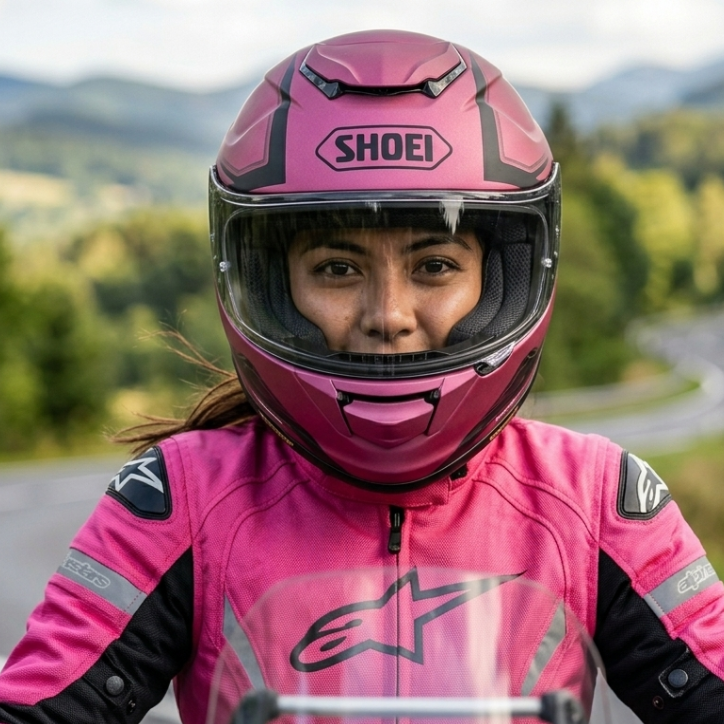
People assume you can only see these emerald hills if you fly in and take a local tour. I wanted to see if I could bring my own motorcycle to the top of the world.
Most riders only dream of leaning into the curves of the northernmost province.
The journey from the heat of Manila to the misty cliffs of Basco is a technical challenge that requires more than just fuel. You have to navigate the shipping ports, the airline restrictions, and the unpredictable weather of the Pacific. It is a transition that feels like crossing into another country entirely.
I stood at Kilometer Zero in Luneta, knowing that my real starting point was still hundreds of miles across the sea. The horizon was calling me to do the impossible.
The Logistics of Shipping a Bike to Basco
Shipping a motorcycle from the Manila pier to Batanes is a process that separates the casual tourist from the determined explorer.
You have to visit the Philippine Ports Authority to settle your towing and wharfage fees before you can even think about loading. My bike had to be measured and weighed to calculate a freight cost that reached over ten thousand pesos.
It is a hazard zone where you are required to wear a hard hat and a reflectorized jacket just to enter the pier.
The ship takes about two to three days to reach the port of Basco while you make your own way to Clark. I took a point-to-point bus from the PITX terminal in Parañaque for five hundred and twenty pesos (Php520.00) to reach the airport.
There are no direct flights from Manila to Basco, so the Clark International Airport serves as your final gateway to the north. You fly across the clouds while your motorcycle moves slowly across the deep blue water. Reaching the Basco airport is only the first step of a much larger expedition.
The air in Batanes hits you with a coolness that you cannot find anywhere else in the archipelago.
I finally stepped onto the tarmac and knew that the wait was over.
Exploring the Emerald Heights of Basco
Picking up your bike at the Basco port is a moment of pure relief for any rider. You settle the final towing fees and check your gear before rolling into the town proper of the provincial capital.
The main plaza of Basco features its own Kilometer Zero marker, signaling that you have reached the heart of the island.
Before you can explore, you must take care of your paperwork by visiting the DENR for a drone permit. It costs one thousand pesos and comes with strict rules about where and when you can fly.
You are not allowed to fly near the town proper until after three in the afternoon because of the nearby airport traffic.
I headed straight for Vayang Rolling Hills to see if the road truly ended there.
The cement path stretches across the top of the emerald slopes where cattle graze in the distance. It is a stunning sight that forces you to realize why this province is compared to the landscapes of New Zealand. The road eventually cuts off at a sharp cliff, earning its nickname as the end road of the Philippines.
Standing at that dead end makes you feel like you are at the very punctuation mark of the nation.
I looked out at the vast Pacific and felt the wind trying to pull the camera from my hands. It is a place that demands absolute silence.
Cultural and Culinary Traditions of the North
Every corner of Batan Island holds a story that is etched into the stone and the rock.
I rode toward Chadpidan Boulder Beach to see the massive rocks that Mount Iraya erupted centuries ago. These are not small pebbles, but giant boulders that the ocean has polished over hundreds of years.
Mount Iraya itself is a silent volcano that watches over the town like a sacred guardian.
The history of the island is found in its “Ijang” or ancient stone fortresses that the tribes used before the Spanish era. You can see these prominent rock formations rising from the landscape like ghosts of a different time. My tour guide explained that the boulders also extend deep into the sea, creating a natural barrier against the heavy surf.
We rode further south toward the municipality of Mahatao where the roads narrow and the cliffs get steeper. The Chawa View Deck provides a staircase that leads you right down to the crashing waves.
It is a dizzying perspective of the coast that makes your hair stand on end.
The Mahatao Boat Shelter Port is another engineering marvel that protects the local vessels from the fury of the typhoons. It is a calm basin where the water stays still while the Pacific rages just outside the concrete walls.
I noticed that there are no power cables hanging over the streets of Batanes.
This is because the high-voltage lines are buried underground to prevent damage from the frequent storms. It creates an unobstructed view of the mountains that is a dream for any photographer.
We continued our journey toward the town of Ivana to find the Blue Lagoon which locals call the Spanish Lagoon. It used to be exclusive to the Spanish priests who wanted a quiet spot for a midday dip. The water is deep and clear, offering a refreshing reset for any traveler who has spent hours under the sun.
The nearby Maydang Beach offers a different vibe with its white sand and bed corals.
It feels like a private cove where the only sound is the rhythmic lap of the tide.
You can walk along the shore and see the coconut trees that the last major typhoon knocked down. The local government has turned these fallen logs into benches and tables for visitors to use during their picnics.
I sat on a wooden bench and watched the silhouette of Sabtang Island appearing on the horizon.
The next coordinate on my map was the House of Dakay, the oldest stone structure in the province. Built in 1877, this house has survived a magnitude 8.3 earthquake and multiple fires.
It is made of coral stone and a unique lime glue that has hardened over a century of exposure.
I wore a traditional “Kanayi” vest and a “Talugong” headrest to experience the heritage of the Ivatan people.
The texture of the dried grass and the weight of the vest made me feel like I was stepping back into the 1800s. It is a private property but the family welcomes respectful tourists who take off their slippers before entering. The interior is cool and quiet, offering a literal sanctuary from the humid afternoon heat.
History is not just a lesson here; it is a way of life that the community protects with both hands.
I left the old house and headed for the most famous store in the Philippines.
The Lessons of the Honesty Store
The Honesty Store in Ivana is a testament to the character of the people who call this island home.
There is no guard and no salesman to watch over the items on the shelves. You simply take what you need, record it in a logbook, and drop your payment into a small wooden box.
It was started in 1995 by a teacher who wanted to provide food for the travelers heading to the southern islands.
I bought a cup of hot coffee and some sweet potato chips for one hundred and twenty-five pesos. I sat in the small cafe area and watched the locals going about their daily business with a sense of peace that is rare in the city. If the people of Batanes can maintain this level of trust, it makes you wonder why we can’t do the same in the rest of the country.
The sun was starting to set as I reached the Ivana Lighthouse. This solar-powered beacon serves as a guide for the boats crossing the strait between Batan and Sabtang.
The light automatically turns on as the sky fades into a palette of violet and gold.
Travel Tips for DIY Travelers
- Motorcycle Shipping: Contact cargo lines like Sta. Clara or local Batanes shipping agents. Ensure you have your OR/CR and a notarized authorization if the bike isn’t in your name.
- Commute to Clark: Take the Genesis P2P bus from PITX or NAIA Terminal 3. It is the most reliable way to reach the airport without the stress of private parking.
- Drone Permits: Visit the DENR office in Basco early. You need to show your drone’s registration and pay the fee before you can legally fly.
- Local Food: Try “Oved” (meatballs made with banana pith) and “Lunis” (pork preserved in its own fat). These are the authentic flavors of the Ivatan kitchen.
- Cash is King: While some hotels might accept digital transfers, most stores and ports only take cash. There are very few ATMs in Basco, and they often run out of money.
- Gear: Bring a windproof jacket. Even in the summer, the mountain breeze can be sharp, especially when riding.
Some places impress you with their buildings, but Batanes changes you with its silence.
We spend so much of our lives protecting our things and doubting our neighbors, but here, the Honesty Store reminds us that a different way of living is possible.
As I rode back to my inn, I realized that the “Top of the Philippines” isn’t just a geographical coordinate; it is a higher state of mind.
Frequently Asked Questions (FAQ)
1. Is it expensive to ship a motorcycle to Batanes?
Yes, depending on the dimensions, it can cost between ₱8,000 to ₱12,000 for a one-way trip, plus port and towing fees.
2. Can I fly directly from Manila to Basco?
Currently, most commercial flights depart from Clark International Airport. Always check with airlines like PAL or SkyJet for updated routes.
3. Do I need a tour guide to go around Batan Island?
While you can explore on your own with a bike, hiring a local guide is highly recommended to understand the history and rules of the sacred sites.
4. What is the best month to visit Batanes?
The summer months from March to June offer the calmest seas and clearest skies, though “winter” in January is popular for the cold weather.
5. How much is the drone permit in Batanes?
As of 2026, the DENR permit is ₱1,000. Ensure you follow the time restrictions (no flying before 3:00 PM in restricted zones).
6. What makes the House of Dakay special?
It is the oldest surviving stone house in Batanes, built in 1877, and it is a UNESCO-recognized piece of heritage.
7. Is there a mobile signal in Batanes?
Basco has a decent signal for Globe and Smart, but it becomes spotty or non-existent once you enter the mountainous areas or the southern towns.
8. Can I use a credit card in the Honesty Store?
No, it is strictly cash-only. You must bring the exact amount as there is no one to give you change.
9. Are the roads in Batanes safe for beginner riders?
The main roads are well-paved, but they are narrow and involve many sharp curves and steep cliffs. Experience in mountain riding is beneficial.
10. What is “Ubed”?
It is a traditional Ivatan dish made from shredded banana pith mixed with ground meat or fish and local spices.