
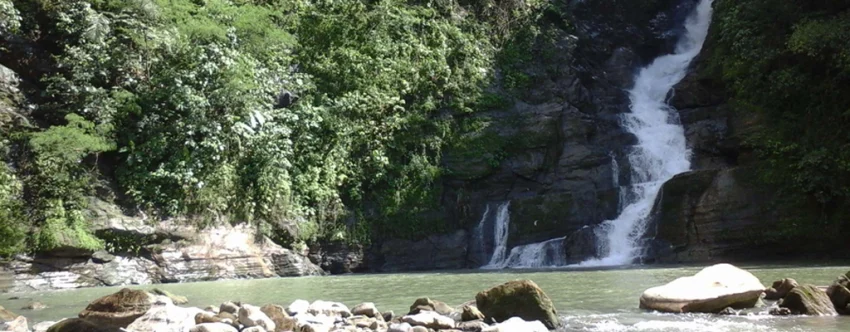
Sta. Catalina is one of the most underrated towns in southern Negros Oriental.
Most travelers know Dumaguete, Dauin, Apo Island, Valencia, and Siquijor. Sta. Catalina does not usually get the same attention, but that is part of its appeal. It is wide, rural, green, and full of local nature spots, including waterfalls, caves, springs, hills, and family-friendly outdoor attractions.
This is not a polished resort town where everything is laid out for tourists. Sta. Catalina feels more local. You come here for countryside drives, waterfalls, monkeys, banana fields, local festivals, and a slower look at southern Negros Oriental.
If Bacong is a quiet heritage stop near Dumaguete, Sta. Catalina is a bigger countryside escape.
Understand Sta. Catalina
Sta. Catalina, officially Santa Catalina, is a municipality in Negros Oriental. It is a 1st income class municipality with 22 barangays and a 2024 population of 80,382.
It sits in the southern part of Negros Oriental, farther from Dumaguete than Bacong, Dauin, or Zamboanguita. The road distance from Dumaguete to Sta. Catalina is around 78 km, with travel usually taking about 1.5 to 2.5 hours depending on traffic, stops, and transport.
Sta. Catalina is also a coastal municipality, but much of its travel appeal comes from inland attractions. Think waterfalls, caves, springs, hilly areas, forested barangays, rural roads, and outdoor adventure spots.
Best for: nature lovers, road trippers, family travelers, waterfall chasers, countryside explorers, local festival visitors, and travelers who like less crowded places.
Skip it if: you want a very easy city-style trip, luxury beach resorts, nightlife, or attractions with complete tourist infrastructure everywhere.
Best Time to Visit Sta. Catalina
Sta. Catalina is best visited during the dry months, especially if your plan includes waterfalls, rural roads, hill areas, and outdoor stops.
The most practical travel window is usually from December to May. These months are better for road trips, waterfall visits, and open-air attractions. March to May can be very hot, so start early and avoid long outdoor walks at noon.
The rainy months can still be beautiful because waterfalls and greenery look better after rain. The trade-off is road conditions, slippery trails, and sudden weather changes. If you are visiting waterfalls or caves during the wet season, ask locals first before going.
If you want a cultural trip, visit around the Pakol Festival. The festival is celebrated annually on April 24 and highlights pakol, a seeded banana variety associated with the town.
Important heat note: April can be extremely hot. If you plan to attend the festival, bring water, sun protection, and avoid staying under direct sun for too long.
Sta. Catalina Traveler Essential Info
Province: Negros Oriental
Region: Central Visayas
Main jump-off city: Dumaguete City
Distance from Dumaguete: around 78 km by road
Travel time from Dumaguete: around 1.5 to 2.5 hours, depending on transport and stops
Barangays: 22
Population: 80,382 as of 2024
Main language: Cebuano
Currency: Philippine Peso
Ideal stay: 1 to 2 days
Trip style: countryside, nature, waterfalls, local culture, family road trip
Bring cash, drinking water, insect repellent, sunblock, a dry bag, extra clothes, and footwear with grip. Some attractions are rural, so do not expect card payments, ride-hailing convenience, or perfect mobile signal everywhere.
How to Get to Sta. Catalina
Dumaguete to Sta. Catalina
Sta. Catalina is reachable from Dumaguete by private car, bus, van, motorcycle, or arranged transfer.
By Private Car or Motorcycle
This is the easiest way if you want to visit multiple attractions in one day. You can leave early from Dumaguete, visit outdoor spots, eat lunch locally, and return before evening.
Travel time: around 1.5 to 2 hours
Best for: families, groups, road trippers, photographers, waterfall trips
By Taxi or Private Transfer
A private transfer is the most comfortable option, especially if you are traveling with family or want to visit several stops in one day.
Estimated travel time: around 1.5 hours
Estimated fare: around ₱1,200 to ₱1,500 one way, but round-trip rates with waiting time will cost more
Best for: travelers who want comfort and flexibility
Tip: Agree on the round-trip rate, waiting time, and attraction stops before leaving Dumaguete.
By Bus
Southbound buses from Dumaguete can take you toward Sta. Catalina. Go to the Dumaguete Ceres Terminal and ask for buses bound for Sta. Catalina, Bayawan, or nearby southern routes.
Travel time: around 2 to 2.5 hours
Estimated fare: around ₱120 to ₱150
Best for: budget travelers
Tip: Tell the conductor where you plan to get off, especially if you are not going straight to the town proper.
By Van or V-hire
V-hires may be available from Dumaguete depending on schedule and demand. This can be faster than a regular bus, but less spacious.
Best for: budget travelers who want faster travel
Tip: Confirm the drop-off point before boarding.
Cebu to Sta. Catalina
The common route is Cebu to Dumaguete first, then Dumaguete to Sta. Catalina.
Possible route:
- Ride a bus from Cebu City to southern Cebu.
- Take a ferry crossing to Negros Oriental.
- Continue to Dumaguete or a nearby terminal.
- Ride a bus, van, or private vehicle to Sta. Catalina.
This route is doable for overland travelers, but it is better as part of a longer southern Negros trip rather than a rushed same-day plan.
How to Get Around Sta. Catalina
Sta. Catalina is large enough that walking is not practical for most attractions. You will need local transport.
Common options:
- Private car
- Motorcycle
- Habal-habal
- Tricycle for short distances
- Bus or jeepney along main routes
- Arranged local guide for waterfalls, caves, or remote barangays
For waterfalls and rural attractions, ask about road conditions before going. Some places may require a short hike, a rough road, or a local guide.
Where to Stay in Sta. Catalina
Sta. Catalina has limited tourist accommodations compared with Dumaguete, Dauin, or Bayawan. Your best base depends on your trip style.
Stay in Sta. Catalina if You Want Local Countryside Travel
Choose Sta. Catalina if your main goal is to explore the town slowly, visit waterfalls, attend Pakol Festival, or stay close to local barangays.
Best for:
- Nature travelers
- Festival visitors
- Road trippers
- People visiting family or local events
- Travelers with private transport
Stay in Dumaguete if It Is Your First Time in Negros Oriental
Dumaguete is more convenient for hotels, restaurants, airport access, cafés, and onward travel. Sta. Catalina can be done as a long day trip from Dumaguete, although it will be tiring if you pack too many stops.
Best for:
- First-time visitors
- Food travelers
- Weekend travelers
- People without private transport
- Travelers who want more hotel choices
Stay in Bayawan if You Are Exploring Southern Negros
Bayawan is closer to Sta. Catalina than Dumaguete and can work as a southern base if you are exploring this side of the province.
Best for:
- Southern Negros road trips
- Travelers continuing to Basay or Sipalay
- People who want less backtracking
Where to Eat in Sta. Catalina
Sta. Catalina is not a restaurant-heavy tourist town, so keep expectations simple and local.
Look for:
- Carinderias
- Grilled food
- Local bakeries
- Roadside eateries
- Small cafés
- Food stalls during festival season
- Simple eateries near town centers or transport stops
If you are doing a full-day trip from Dumaguete, eat breakfast before leaving and bring snacks. For waterfall or countryside visits, bring drinking water and packed food if you are not sure food will be available near the attraction.
Try to ask locals what is open that day. In rural towns, small food places can close early or operate depending on demand.
Things to Do in Sta. Catalina
1. Visit Sta. Catalina Monkey Sanctuary
Sta. Catalina Monkey Sanctuary is one of the town’s more recognizable family-friendly attractions. It is a day-trip spot from Dumaguete where visitors can see monkeys in a local sanctuary setting.
This is best for families, animal lovers, and travelers who want an easy outdoor stop.
Travel tip: Do not tease, feed, or touch the monkeys unless local caretakers clearly allow it. Keep food secured because monkeys can be sneaky.
2. Go to Santabucks Eco Adventure Park
Santabucks Eco Adventure Park is one of Sta. Catalina’s adventure and leisure attractions. It works well for groups, families, and road trippers who want a lighter activity instead of a difficult hike.
Before going, check their latest hours, entrance fees, and ride availability because eco-adventure parks can change operations.
3. Chase Waterfalls Around Sta. Catalina
Sta. Catalina has several waterfalls mentioned in local tourism references, including Talostos Falls, Mantabios Falls, Baknit Falls, Bug-as Falls, and Mantangla Falls.
Do not treat these waterfalls like fully commercialized tourist spots unless you confirm access. Some may require local guidance, trail knowledge, and weather checks.
Waterfall tips:
- Go with a local guide when needed.
- Wear shoes with grip.
- Avoid visiting during heavy rain.
- Do not jump unless locals confirm it is safe.
- Bring your trash back with you.
- Ask about current trail condition before committing.
4. Visit Mantangla Spring and Other Natural Springs
Mantangla Spring is one of Sta. Catalina’s natural landmarks. Springs are good options if you want a quieter nature stop without the intensity of a full waterfall hike.
This is better for slow travelers and locals-at-heart travelers who do not need a famous Instagram spot to enjoy a place.
5. Explore Caves if You Have a Local Guide
Sta. Catalina has cave attractions including Pamu-at Cave, Manglangit Cave, and Carnabalan Spring, Cave and Falls.
Cave visits should not be DIY unless the route is officially open and safe. Bring a guide, proper footwear, a headlamp, and avoid going during bad weather.
6. Attend Pakol Festival
Pakol Festival is Sta. Catalina’s signature cultural event. It is celebrated every April 24 and highlights pakol, a type of banana with large seeds that grows in the area.
This is the best time to see the town in a festive mood, with street dancing, costumes, music, and local pride.
Festival tips:
- Arrive early.
- Wear light clothes.
- Bring water and a hat.
- Protect your phone and wallet in crowds.
- Expect heat and long standing periods.
- Book accommodation early if staying nearby.
7. Take a Countryside Road Trip
Sta. Catalina is best experienced with a slow drive. You will see banana areas, hills, rural roads, local communities, and changing landscapes. If you are coming from Dumaguete, the drive itself can be part of the trip.
Best route style:
- Leave Dumaguete early.
- Stop at Santabucks or Monkey Sanctuary.
- Visit one waterfall or spring.
- Eat locally.
- Return before dark.
8. Use Sta. Catalina as a Southern Negros Stop
Sta. Catalina works well if you are heading toward Bayawan, Basay, or even farther west toward Sipalay. It gives you a break from the usual Dumaguete, Valencia, Dauin route.
Suggested route:
Dumaguete → Sta. Catalina → Bayawan → Basay → Sipalay
This is better for travelers with several days, not a rushed weekend.
Sta. Catalina Tourist Spot Map
For your map, pin these places:
- Sta. Catalina Monkey Sanctuary
- Santabucks Eco Adventure Park
- Pakol Festival event area
- Santa Catalina Municipal Hall
- Talostos Falls
- Mantangla Falls
- Mantangla Spring
- Carnabalan Spring, Cave and Falls
- Pamu-at Cave
- Manglangit Cave
- Bayawan City
- Dumaguete City
- Lake Balanan
- Siaton
- Zamboanguita
- Dauin
Map tip: Do not plot too many waterfalls in one day unless you have local guidance. Choose one main nature stop, then add easier stops around it.
Sample Sta. Catalina Itinerary
1-Day Sta. Catalina Itinerary from Dumaguete
Best for travelers who want a countryside day trip.
6:30 AM Breakfast in Dumaguete
7:00 AM Leave Dumaguete
9:00 AM Arrive in Sta. Catalina
9:30 AM Visit Sta. Catalina Monkey Sanctuary
11:00 AM Go to Santabucks Eco Adventure Park
12:30 PM Lunch at a local eatery
2:00 PM Visit one waterfall, spring, or countryside stop
4:00 PM Start return trip
6:00 PM Back in Dumaguete
Estimated budget: ₱900 to ₱2,500 per person, depending on transport.
2-Day Sta. Catalina Nature Itinerary
Best for travelers who want less rushing.
Day 1: Arrival and Easy Attractions
Morning Travel from Dumaguete to Sta. Catalina
Late morning Check in or leave bags
Lunch Local eatery
Afternoon Monkey Sanctuary or Santabucks
Evening Rest, simple dinner, early night
Day 2: Waterfalls and Countryside
Morning Visit Talostos Falls, Mantangla Falls, or another locally recommended waterfall
Lunch Packed lunch or local food stop
Afternoon Spring, cave, or town center visit
Late afternoon Return to Dumaguete, Bayawan, or your next stop
Estimated budget: ₱2,000 to ₱5,500 per person, excluding flights.
Festival Itinerary for Pakol Festival
Best for cultural travelers.
Day 1 Arrive in Dumaguete or Sta. Catalina
Day 2 Attend Pakol Festival events
Day 3 Visit Monkey Sanctuary, Santabucks, or nearby nature spots before leaving
Festival reminder: April weather can be very hot. Bring water, umbrella, hat, and light clothes.
Sta. Catalina Travel Budget
Budget Day Trip from Dumaguete
Bus or van: ₱240 to ₱400 round trip
Local transport: ₱200 to ₱500
Food: ₱250 to ₱500
Entrance or activity fees: ₱100 to ₱500
Total: ₱790 to ₱1,900 per person
Best for: solo travelers, backpackers, practical travelers
Comfortable Day Trip
Private car or arranged ride: ₱2,500 to ₱5,000 per group
Food: ₱500 to ₱1,000
Entrance or activity fees: ₱200 to ₱800
Guide or local assistance: ₱300 to ₱1,000
Total: ₱1,200 to ₱3,500 per person, depending on group size
Best for: couples, families, groups
2-Day Sta. Catalina Trip
Accommodation: ₱1,000 to ₱3,000 per night
Food: ₱600 to ₱1,200 per day
Transport: ₱500 to ₱2,500
Activities and guide: ₱500 to ₱1,500
Total: ₱2,600 to ₱8,200 per person
Best for: nature travelers, festival visitors, slower road trips
Budget notes:
- Prices are estimates.
- Confirm entrance fees before visiting.
- Some local attractions may not have fixed online rates.
- Private transport raises the cost but makes the trip much easier.
- Bring cash because rural stops may not accept e-wallets or cards.
Nearby Side Trips from Sta. Catalina
Bayawan City
Bayawan is one of the best nearby bases if you are exploring southern Negros. It has more urban services than Sta. Catalina and works well as a continuation point.
Lake Balanan
Lake Balanan is in nearby Siaton and is often included in southern Negros nature itineraries. It is a good add-on if you are already exploring this side of Negros Oriental.
Dauin
Best for beach resorts, diving, snorkeling, and Apo Island trips.
Zamboanguita
Good for quiet beach stays and Apo Island access.
Dumaguete City
Best for food, cafés, transport, airport access, hotels, and first-time visitor convenience.
Suggested 3-Day Southern Negros Itinerary with Sta. Catalina
Day 1: Dumaguete to Sta. Catalina
- Leave Dumaguete early.
- Visit Sta. Catalina Monkey Sanctuary.
- Stop at Santabucks Eco Adventure Park.
- Eat lunch locally.
- Stay in Sta. Catalina or continue to Bayawan.
Day 2: Waterfalls or Lake Balanan
Choose one:
Option A: Sta. Catalina waterfalls
- Talostos Falls or another locally accessible waterfall
- Spring or cave stop if conditions are good
- Return before dark
Option B: Lake Balanan side trip
- Drive to Siaton
- Visit Lake Balanan
- Return to Bayawan, Sta. Catalina, or Dumaguete
Day 3: Bayawan, Dauin, or Dumaguete
- Explore Bayawan if heading south.
- Return to Dumaguete if flying out.
- Continue to Dauin if you want beach or diving time.
Is Sta. Catalina Worth Visiting?
Yes, Sta. Catalina is worth visiting if you like countryside travel, waterfalls, local festivals, and underrated towns.
But it is not for everyone.
Visit Sta. Catalina if you want a more local Negros Oriental trip beyond Dumaguete and Dauin. It is a good destination for travelers who enjoy rougher edges, rural roads, nature spots, and places that are still developing their tourism scene.
Skip it if you want a highly convenient tourist town where every attraction is easy to book online.
Sta. Catalina rewards curious travelers more than checklist tourists.
Final Sta. Catalina Travel Tips
Leave Dumaguete early. Sta. Catalina is farther than it looks on a map.
Choose one or two major attractions per day. Do not overload your itinerary.
Ask locals about waterfall access before going. Trail conditions can change.
Bring cash, water, snacks, sun protection, and extra clothes.
Use private transport if you want to visit multiple nature spots.
Attend Pakol Festival if you want the liveliest version of Sta. Catalina, but prepare for heat and crowds.
Make Sta. Catalina part of a southern Negros route if you have more time.
Sources Used
- Philippine Statistics Authority, Municipality of Santa Catalina PSGC page
- Philippine Statistics Authority, Negros Oriental city and municipality classification page
- Rome2Rio, Dumaguete to Santa Catalina travel estimate
- Dumaguete.com, Tourist Spots in Santa Catalina
- Dumaguete.com, Pakol Festival of Sta. Catalina
- Philippine News Agency, Pakol Festival heat incident report
- PhilAtlas, Santa Catalina municipal profile
- Negros Oriental Tourism Board public post on Santabucks Eco Adventure Park and route notes
- No Postcode, Sta. Catalina Monkey Sanctuary travel feature
- Tripadvisor, Santa Catalina and nearby attractions