
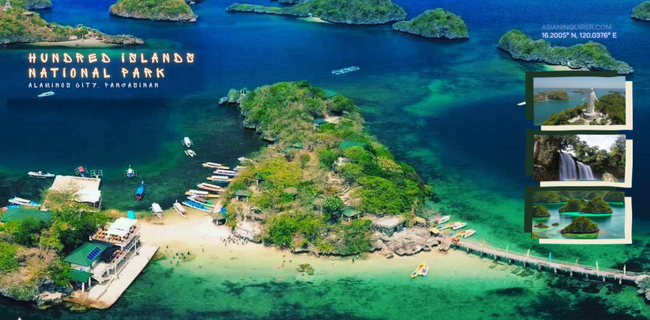
Looking for a nice place to visit this summer or holy week? Consider adding the Hundred Islands National Park to your bucket list.
The Hundred Islands National Park (HINP) in Alaminos City, Pangasinan, is more than just a cluster of rocks in the sea. It’s a sprawling 1,844-hectare marine playground.
With 124 islands at low tide (and 123 at high tide), this destination offers a mix of high-octane adventure and serene island-dwelling.
Whether you’re a thrill-seeker looking to jump off cliffs or a family seeking shallow, crystal-clear lagoons, here is your definitive guide to mastering the Hundred Islands in 2026.
🕒 The Best Time to Visit
To see the islands in their full emerald glory under a sapphire sky, plan your trip during the dry season (December to May).
- Peak Season: March and April (Holy Week is exceptionally crowded).
- Pro Tip: Aim for a weekday in February or early March to enjoy cooler temperatures and significantly thinner crowds.
The “Big Four” and Beyond
While there are over a hundred islands, most travelers focus on the “Big Four,” which offer the best facilities and activities.
1. Governor’s Island
The most iconic of the bunch. Hike the 123 steps to the viewing deck for the ultimate panoramic shot of the archipelago.
- Must-Do: Zip-line from Governor’s to Virgin Island (546 meters of pure adrenaline).
2. Quezon Island
The “activity hub.” This is where you’ll find the most development, including dining areas, shops, and kiosks.
- Must-Do: Helmet diving and kayaking. The giant clam garden nearby is a vibrant underwater sanctuary you shouldn’t miss.
3. Marcos Island & Imelda Cave
Named after the former President, this island hides a secret: Imelda Cave.
- Must-Do: Walk into the cave and take the 20-foot plunge into the shimmering emerald pool that leads out to the open sea.
4. Pilgrimage Island
A newer addition to the must-visit list, featuring a massive 55-foot statue of Christ the Savior.
- Must-Do: Climb the stairs for a spiritual moment and a unique vantage point of the surrounding islets.
2026 Budget & Fees
The LGU of Alaminos maintains a structured fee system. Note that prices are subject to change, so always carry a little extra cash.
| Item | Rate (Day Tour) | Rate (Overnight) |
| Environmental Fee | ₱120 | ₱200 |
| Entrance Fee | ₱30 | ₱30 |
| Insurance | ₱10 | ₱10 |
| Small Boat (1-5 pax) | ₱1,400 | ₱3,000 |
| Medium Boat (6-10 pax) | ₱1,800 | ₱3,800 |
| Large Boat (11-15 pax) | ₱2,000 | ₱4,500 |
Note: A ₱200 refundable trash deposit is required. You get it back upon returning your trash bags to the wharf, a great initiative to keep the park pristine!
Essential Activities
- Snorkeling: Rent gear for ₱250. The coral reefs are recovering beautifully, and the “Giant Clams” are a sight to behold.
- Cliff Jumping: Head to Devil’s Island if you want a heart-pounding leap into the deep blue.
- Island Camping: For the true adventurer, you can pitch a tent on designated islands for a fee of ₱200.
📍 How to Get There
From Manila:
- Bus: Take a bus (Victory Liner, Five Star, or Dagupan Bus) from Cubao or Pasay bound for Alaminos City. The journey takes about 4.5 to 5.5 hours.
- Tricycle: From the Alaminos bus terminal, take a 10-minute tricycle ride to Lucap Wharf, the official gateway to the park.
- Registration: Register at the Tourism Office at the wharf, pay your fees, and board your assigned boat.
💡 Expert Travel Tips
- Arrive Early: The first boats leave at 6:00 AM. Being on the water by sunrise means you’ll have the viewing decks to yourself.
- Pack a Picnic: While Quezon Island has food, it can be pricey. Buy fresh seafood or grilled meat at the Alaminos Public Market before heading to the wharf.
- Waterproof Everything: Invest in a good dry bag. Between the boat splashes and the cave exploring, your electronics will thank you.
- Respect the “No Plastic” Policy: Alaminos is strict about single-use plastics. Bring reusable water bottles.
Have fun and enjoy your next escapade!