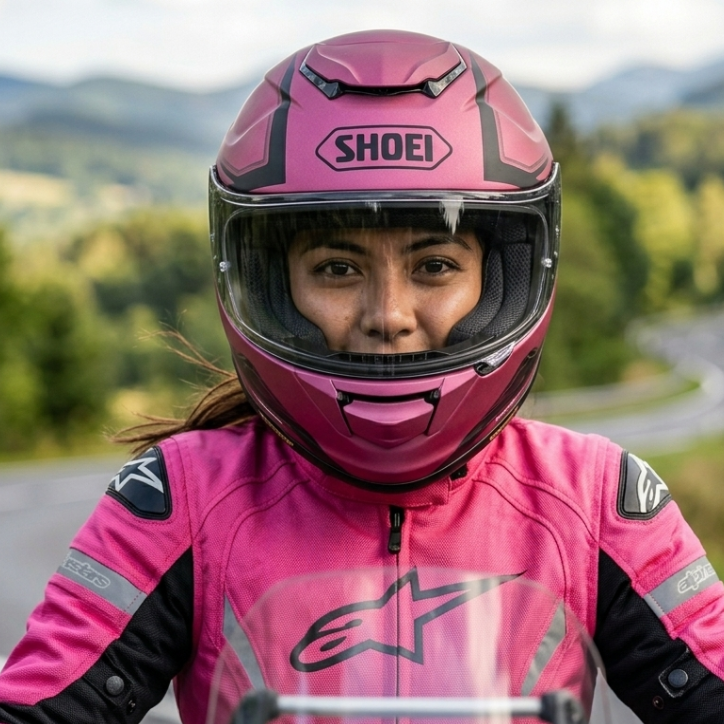
Some places feel like they are waiting for you to find them among the waves. I stood at the pier in Padre Burgos and watched the morning sun hit the blue water of Southern Leyte.
My motorcycle was already strapped to the deck of the boat because I knew the roads on the other side were calling my name. It is a strange feeling to look at a small strip of land and realize that the history of an entire nation started right there.
The Cradle of the First Mass in Limasawa Island
History is not just found in books but in the very wind that blows across the Mindanao Sea.
On March 31, 1521, a group of tired explorers landed here and celebrated the first Catholic Mass on Philippine soil. It was an Easter Sunday that changed the spiritual trajectory of millions of people for centuries to come.
I could almost hear the sound of Father Pedro de Valderrama’s voice echoing against the limestone cliffs.
Father Valderrama stood under the tropical sun while Magellan and the local leaders watched in silence. This was the moment the seeds of faith were planted in the rich soil of our islands. The cross was raised high as a signal that a new era had officially begun.
I hiked up the 450 concrete steps to reach the replica of the Limasawa Cross at the highest point of the island. My legs were burning but the view from the top made me forget about the physical struggle immediately.
You can see all the way to the blue silhouettes of Bohol and Camiguin from this sacred vantage point.
Navigating the Southern Leyte Crossing
Reaching this hidden paradise requires a bit of planning and a lot of patience at the port of Padre Burgos. The ferry known as Vershine 2 is the reliable bridge that connects the mainland to the historical heart of the island.
I arrived two hours early to settle my terminal fees and ensure my bike had a safe spot on the vessel.
The crossing takes about an hour to cover the eight nautical miles of deep blue water. I sat on the wooden bench and let the sea spray hit my face while I watched the mainland get smaller.
The total cost for a passenger and a motorcycle is quite affordable for any budget traveler. You will pay around one hundred fifty pesos for the freight and another fifty for the terminal fees. It is a small price to pay for the chance to ride on the roads where Rajah Kulambo once walked.
I felt a surge of excitement when the boat finally docked at the quiet port of Triana.
The Turquoise Magic of the Island Lagoon
The northern tip of the island is home to a place that looks like a masterpiece of natural engineering.
The Island Lagoon Resort is famous for its massive rock formations that protect the crystal clear turquoise water within. I parked my bike and immediately smelled the salt and the fresh mountain air mixing together.
This is the perfect spot for cliff jumping if you are brave enough to take the plunge into the deep blue.
I spent an hour snorkeling among the vibrant coral gardens that are teeming with small tropical fish. The underwater world here is so colorful that it feels like you are swimming inside a living painting.
You can even rent a kayak to explore the hidden corners of the lagoon where the water is as still as glass.
Every splash I made felt like a conversation with the sea that has guarded this island for five hundred years.
The Legend of Raja Kulambo and the Five Wives
The name of the island itself holds a fascinating story that the locals love to share with every curious traveler.
It reportedly comes from the words “lima” and “asawa” which translate to five wives in the local dialect.
Raja Kulambo was the powerful ruler at the time of the Spanish arrival and he reportedly had five wives to care for. He divided the entire island into five separate districts so that each wife could have her own territory to manage.
I rode my motorcycle through these old districts and felt the warmth of the people who still carry this history in their smiles.
“Maayong hapon,” I would call out to the children waving from the roadside as I cruised past.
Sunset at Limasawa Point Overlook
There is a winding road that leads to the highest peaks of the island where the wind is strong and the air is thin.
The path is steep and some parts are still under construction which makes it a fun challenge for any rider. I shifted into a lower gear and felt the engine roar as I climbed toward the clouds.
I reached the overlook just as the sun was starting to dip toward the western horizon.
The sky turned into a dramatic palette of orange, purple, and gold that reflected perfectly on the calm sea. I took out my camera to capture the silhouette of the coastline against the fiery light. This is arguably the most beautiful spot to witness a Philippine sunset in the entire province.
I sat on my bike and listened to the silence of the mountain while the stars began to appear. It felt like I was the only person left in the world in that quiet moment.
The peace of the island is a powerful reminder that some things are worth the long journey.
The Slow Life at Dakdak Beach
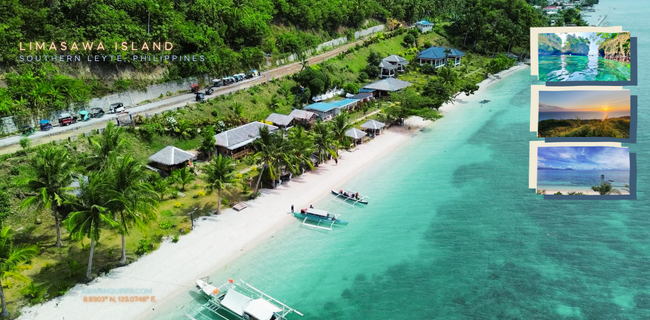
If you prefer the soft touch of sand between your toes you should head over to Dakdak Beach Resort. The name comes from a former duck racing farm that used to operate in the area many years ago.
It is a favorite spot for locals who want to enjoy a relaxing afternoon under the coconut trees.
The white sand is as fine as powder and stays cool even under the midday sun. I found a rustic cottage where I could sit and enjoy a cold drink while watching the waves.
The water here is remarkably clear and invites you to stay just a little bit longer than you planned. You can see the fishermen returning to the shore with their daily catch of fresh fish and squid. The simplicity of life here is a powerful reminder that we do not need much to be truly happy.
I could smell the aroma of grilled seafood coming from a nearby kitchen and my mouth started to water.
The Road to Triana and Beyond
Riding through the barangays of Limasawa feels like stepping back into a simpler time.
The roads connect the small communities of Triana and San Agustin with a ribbon of gray asphalt. I passed by rice paddies and small gardens where the locals were busy tending to their crops.
I stopped at a small carinderia to try some of the local delicacies that were prepared with love.
The food was simple but the flavor was rich and reminded me of the home-cooked meals of my childhood. I talked to the owner in a mix of Cebuano and English as we shared stories about the island’s history.
She told me that the spirit of the first mass still lives in the kindness of the people who call this place home.
I felt a deep sense of connection to the land and the people as I continued my journey.
The Heart of the Southern Leyte Spirit
The winding roads offer a different perspective of the island at every turn and corner. You will see hidden coves and rocky outcrops that are not even marked on the maps. It is an invitation to explore the unknown and discover your own hidden paradise.
Every kilometer I traveled felt like a new chapter in my personal travel chronicles.
I realized that the true beauty of Limasawa is not just in its landmarks but in the journey it takes to get there. The road is always open for those who are brave enough to follow their own compass.
We often spend our lives looking for answers in the noise of the world when the truth is waiting for us in the silence of an island. Limasawa is a reminder that even the smallest piece of land can carry the weight of a billion souls.
I hope you find your own first light on the horizon very soon.