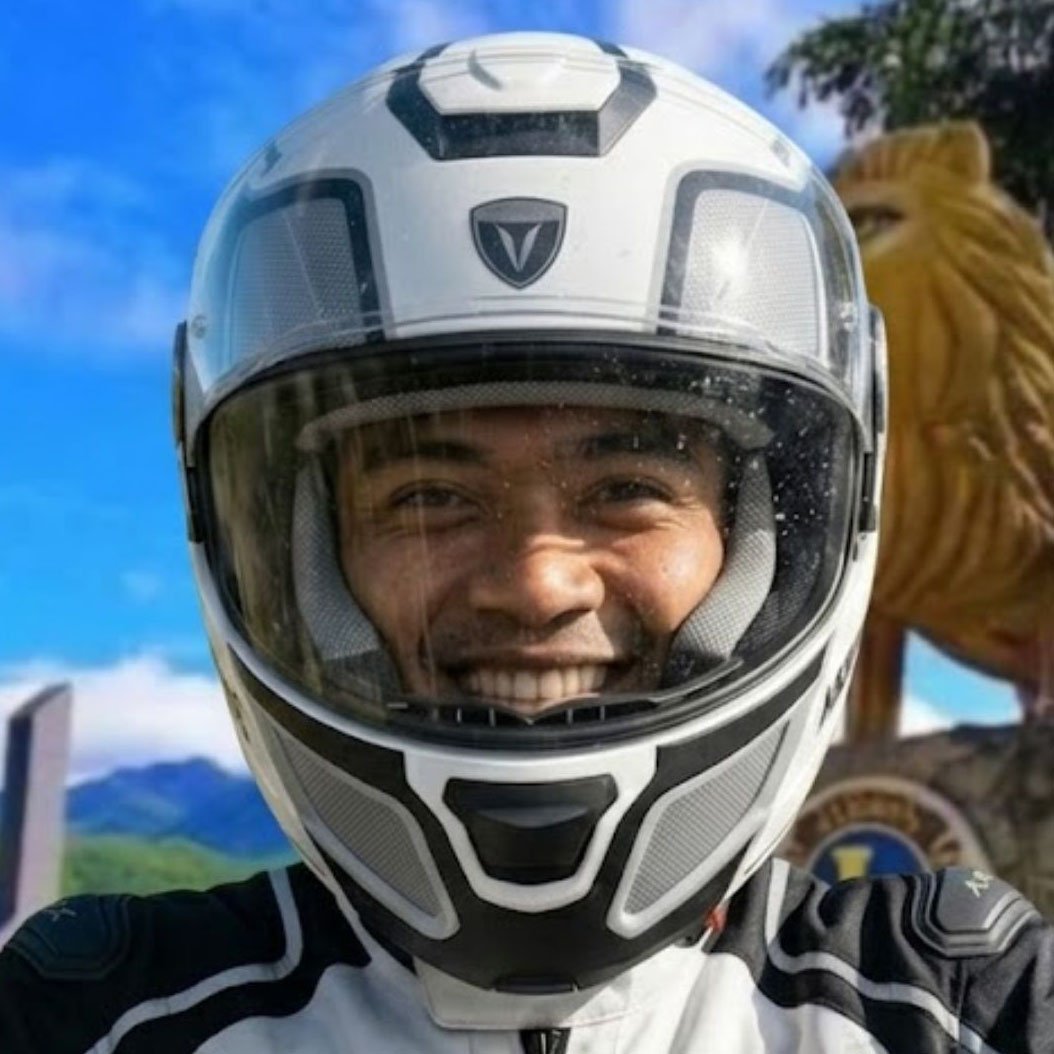
I stood at the edge of the Liloan port in Santander, the southernmost tip of Cebu, while the salty breeze tugged at my riding jacket.
Behind me, the long road from Cebu City was a memory of winding asphalt and coastal views; ahead of me, the massive Ro-Ro ferry slowly approached the dock as the afternoon sun dipped toward the horizon.
There is a specific kind of magic that happens at this port. It is the gateway to the Negros Island Region, a place where the pace of life slows down just enough for the soul to catch up.
As the ferry’s ramp hit the concrete, I observed the crowd. There were quite a lot of passengers going to Dumaguete City, likely a mix of students and professionals who work in the bustling hub of Cebu, heading home for a reprieve.
The sun was about to set, and the air coming off the sea was calm, carrying a slight, refreshing chill.
Before I could board, there was the inevitable dance of paperwork. I had to secure my boarding pass for both myself and my bike. For a motorcycle traveler, the logistics are part of the ritual, involving the payment of freight, terminal fees, and the cargo handling fee known locally as arastre.
While waiting, I ducked into a small canteen near the pier, grabbing a simple sandwich and a bottle of water to tide me over. In the world of adventure riding, these quiet moments of preparation are as much a part of the journey as the ride itself.
Crossing the Channel to Sibulan
The Roro ride from Santander to Sibulan is a quick hop across the water, a fifteen-to-twenty-minute transit that barely gives you enough time to finish a cold bottle of water while enjoying the panoramic view of the coastline.
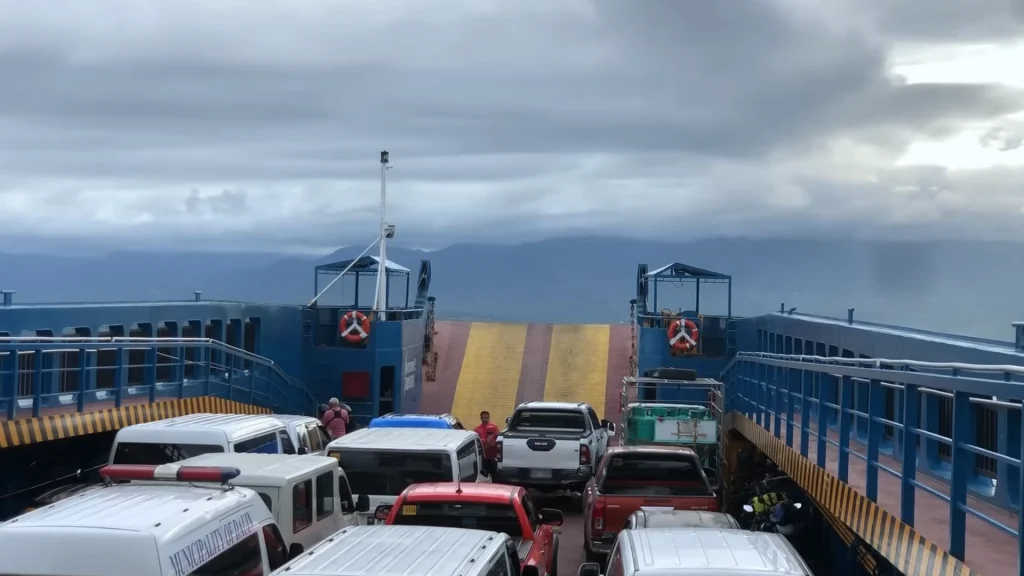
For my big bike, the ticket cost three hundred pesos, but as any seasoned traveler in the Philippines knows, you must also set aside an extra 50 pesos (43 actually) for the PPA terminal fee before you can line up with the trucks and cars.
Stepping onto the metal deck is always a tight squeeze. You find yourself wedged between massive delivery trucks and sleek SUVs, the smell of salt spray mixing with the scent of hot iron and diesel.
Yet, as the ferry pulls away, all that congestion fades. Seeing the lush, green silhouette of Negros Island getting closer always makes my heart race with the pure excitement of the road ahead.

The heavy engine vibration hummed through the steel floor and into my riding boots as we navigated the calm, deep blue waters of the Tañon Strait.
Most passengers head straight to the air-conditioned cabin to escape the midday heat or the lingering fumes of the lower deck. I, however, usually prefer staying near my motorcycle.
There is something meditative about watching the horizon turn into shades of deep orange and violet as the sun begins its slow and graceful descent. By the time the Negros coastline becomes distinct, the sky is a canvas of fire.
A Quiet Night in the City of Gentle People
By the time we finally docked in Sibulan, it was already past six in the evening. The sky had shifted into a moody charcoal gray, the kind that threatens a sudden tropical downpour without much warning.
I needed to cover the nine-kilometer stretch of highway to Dumaguete City quickly. I did not want the rain to join my trip just yet and soak my camera gear.
Dumaguete is known as the City of Gentle People, and the atmosphere hits you the moment you enter the city limits.
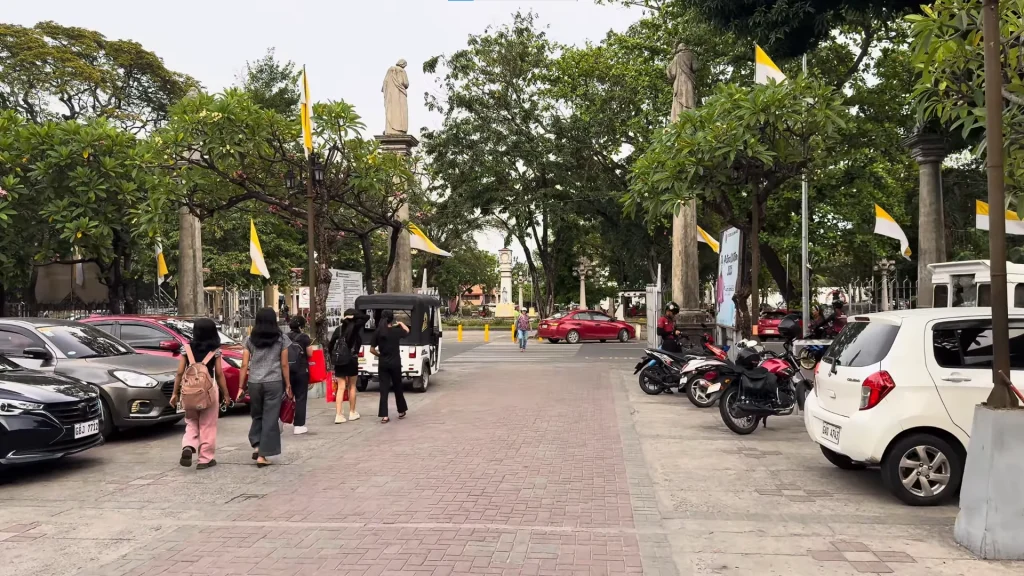
It is less frantic than Cebu, more academic, and infinitely more laid back. I found an affordable inn with a good air conditioner and, more importantly, strong Wi-Fi to back up my photos.
After a long shower to wash off the road grime and a good night’s rest, the true Negros adventure began.
The next morning, I hopped on my bike and rode straight to the heart of the city to find the most authentic breakfast possible.
There is no better way to wake up in Dumaguete than smelling the thick, sweet aroma of puto maya (glutinous rice cooked in coconut milk) and the scent of native chocolate, or sikwate, wafting from the busy breakfast stalls of the public market.
Aside from puto maya, vendors offer budbud, which is also glutinous rice but wrapped in banana leaves. Each region in the Philippines has its version, but there is a distinct creaminess to the Negros variety that sets it apart.
Tasting the Famous 10-5-5 Breakfast
You have not truly experienced the local culture of this island until you sit on a small wooden stool at the public market and order a traditional 10-5-5 meal. For those who are new to the area, a 10-5-5 is a legendary local bargain: a ten-peso cup of hot sikwate paired with a five-peso serving of puto maya.
For fifteen pesos (or 20 if you take 2 servings of puto maya), you get a breakfast that fuels you for hours.
I personally like my rice cake smothered in a thick layer of creamy peanut butter, though many locals prefer the simple sweetness of a generous drizzle of condensed milk.
“Lami kaayo, te,” I told the vendor in my best bisaya as the warm, nutty flavors of the chocolate hit my tongue.
It chased away the lingering morning chill from my bones. It is the kind of humble comfort food that fuels your body for a long day of riding through winding mountain passes and scenic coastal roads.
I could sit in that crowded market every single morning, absorbed in the lively atmosphere and the smell of fresh fish and native spices.
Cruising the South Road to Bayawan
With a full stomach and a full tank of gas, I headed south.
The road leading out of Dumaguete toward Bayawan City is a motorcycle rider’s dream. The lanes are wide and well-maintained, with smooth asphalt that hugs the edge of the sparkling coastline.
As I leaned into the long, sweeping curves, I felt the humid air get noticeably cooler as the towering sugar cane plantations finally gave way to vast, emerald-green rice paddies.
The journey south takes you through a series of distinct towns.
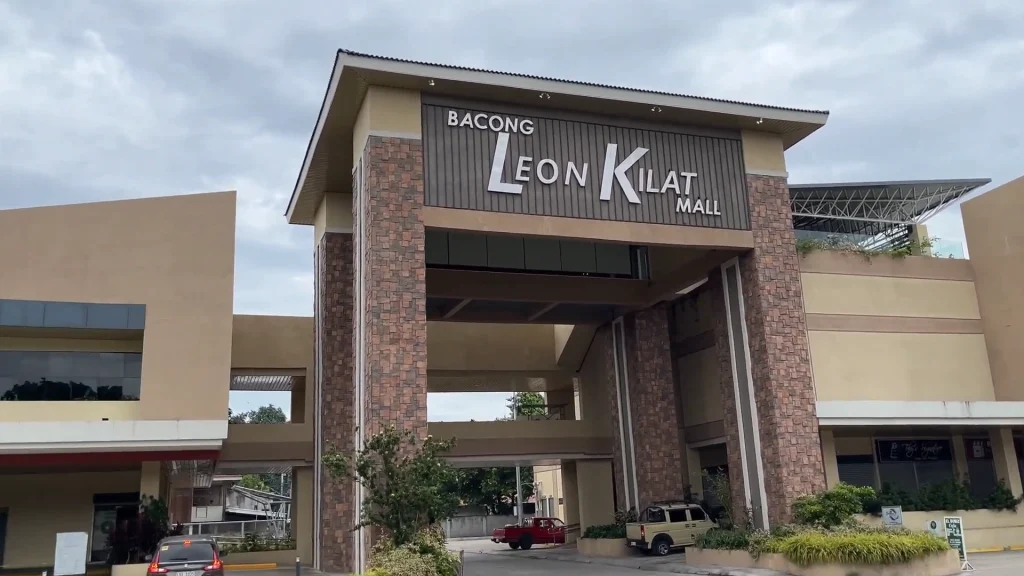
First is Bacong, which has a calm, almost melancholic atmosphere. Its plaza is wide and sits directly in front of the Leon Kilat Mall. It is a quiet spot where the mall does not seem to have many visitors, giving the area a frozen-in-time feel that is quite charming.
Next is Dauin. In stark contrast to Bacong, Dauin is much busier. Known globally as a gateway for world-class scuba diving, it is bustling with traffic.
The public market here features a large LED screen, and there is even a cockpit right by the highway, adding to the high-energy vibe of the town.
Continuing south, I reached Zamboanguita. As you move further from Dumaguete, Zamboanguita feels like the true start of the deep south. The center of town is also situated right on the highway, packed with people and local trade.
After Zamboanguita, the terrain changes. I had to drive through the zig-zag roads of Bondo. There are very few houses here, and while the road is wide, it is not asphalted, which requires a bit more focus on the handlebars.
After about ten minutes of navigating the mountain road, I reached the DPWH Engineering Office of the 3rd district. From there, the road begins to descend into a more populated area.
I passed the controversial Siaton Business Hub, a grand project that appears to be falling apart and unused.
Siaton itself is busier than the previous towns, but the road quality remains excellent for riding.
Finally, after about an hour of steady cruising from Siaton under the bright and unforgiving tropical sun, I reached the sleepy town of Santa Catalina.
The landscape here is so vibrant and green that it looks like a landscape painting come to life right before your eyes.
Finding Adrenaline at Santa Box
My destination for the afternoon was a quirky adventure park known by locals as Santa Box. It is situated right where the mountains meet the clouds, offering a panoramic view that justifies the long ride.
The entrance fee was only a hundred pesos, which is a total steal for the incredible views from their wooden viewing decks overlooking the deep valley.
The park is a tribute to traditional Pinoy childhood. They have wooden scooters, similar to the ones used by the Ifugao in the north, that remind you of being a carefree kid in the province.
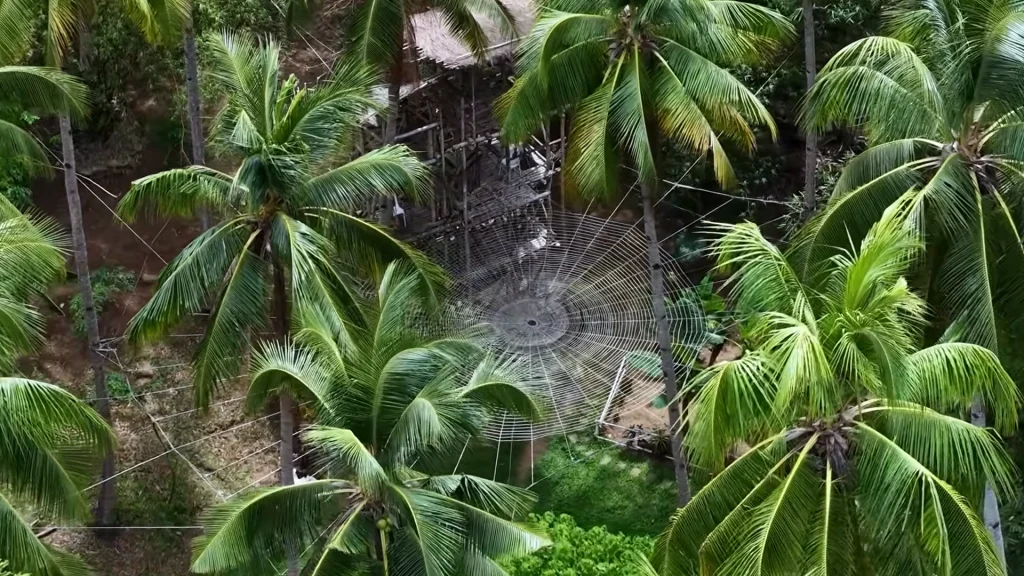
I tried them, but I will be honest: I was terrified. They do not exactly have modern safety protocols, and the realization that you are hurtling down a hill on a piece of carved wood is a great way to get your heart rate up.
I eventually mustered up the courage to try their giant swing. It is built to the height of a tall coconut tree and swings you out over a steep ledge.
For a few seconds, there is nothing but air beneath your feet and the vast green expanse of the valley in front of you.
It is a terrifying, beautiful, and absolutely essential experience for anyone visiting the area.
The Majesty of Niludhan Falls
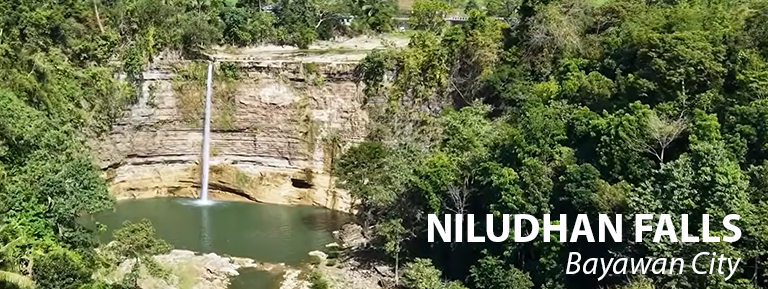
Leaving the adrenaline of Santa Box behind, I pushed further west toward the rugged boundary of Bayawan, where the air smells of wet earth and wild ferns. My target was Niludhan Falls.
Four years ago, the trek to Niludhan was a bit of an ordeal, but things have changed. The trail down to the falls is fully paved now, making it much safer and easier for motorcycles to reach the secluded parking area at the bottom of the steep hill.
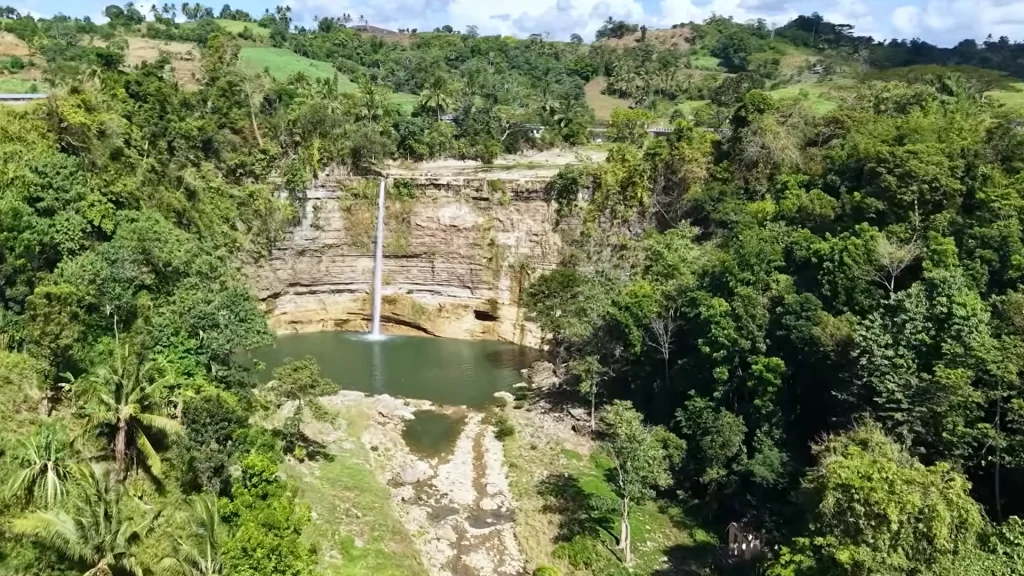
When I arrived, the water flow was much thinner than my last visit, but the falls still felt like a majestic sanctuary hidden from the modern world.
With the water being lower, parts of the cliff that used to be hidden by a curtain of white foam were now exposed, showing intricate layers of rock and moss. It was a stark reminder of how the seasons change the face of nature, yet the soul of the place remains untouched.
A local guide warned me not to swim directly under the main drop. The sheer force of the falling water, even at a lower flow, creates a dangerous whirlpool that can suck even the strongest swimmer into the depths.
After taking in the falls, I made a quick stop in Kalumboyan. It is a small area that has grown significantly busier over the years.
I sat by the roadside, eating a simple snack of fish crackers and a bottle of Royal Mismo, watching the locals go about their day.
Reflections on the Long Ride Home
As I packed my camera gear and prepared for the long ride back toward the city, I realized how much I had missed the raw and honest beauty of Negros Island. There is a certain warmth here, not just in the tropical sun, but in the people and the landscape.
From the 10-5-5 breakfast in the crowded market to the terrifying swing at Santa Box and the misty depths of Niludhan Falls, Negros offers a variety of experiences that the more commercialized spots in the country often lack.
It is a place for riders, for thinkers, and for those who do not mind a little road grime if it means seeing a perfect sunset over the Tañon Strait.
As my engine cooled down back at the inn, I looked at my dusty boots and smiled. The Negros Island Region is not just a destination; it is a reminder that the best adventures are found just across the channel, waiting for those brave enough to board the ferry and ride into the unknown.